
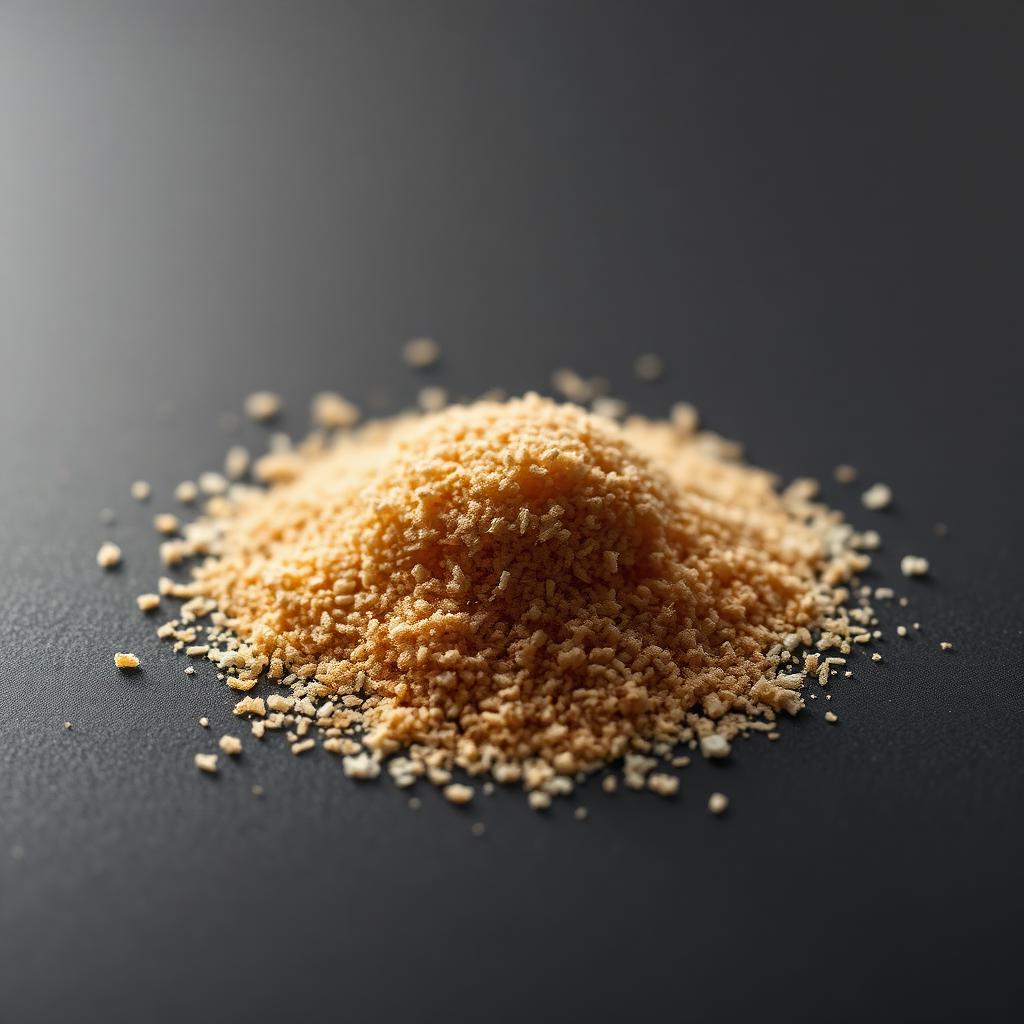
 St1 – St2 · combustible
Wood & cellulose dust
Sawing, sanding, MDF and panel processing, high-volume, ignition-prone in trunk lines and silos.
WoodCelluloseSawdustMDFSanding
- Kst
- 100 – 180 bar·m/s
- Typical zone
- Zone 20 / 21
Pollutants & hazards
Every filter family in our catalogue is selected against the specific dust, fume or vapour your process generates. These are the hazard classes we most commonly handle.
Find your pollutant
5 results
St1 – St2 · combustibleSawing, sanding, MDF and panel processing, high-volume, ignition-prone in trunk lines and silos.
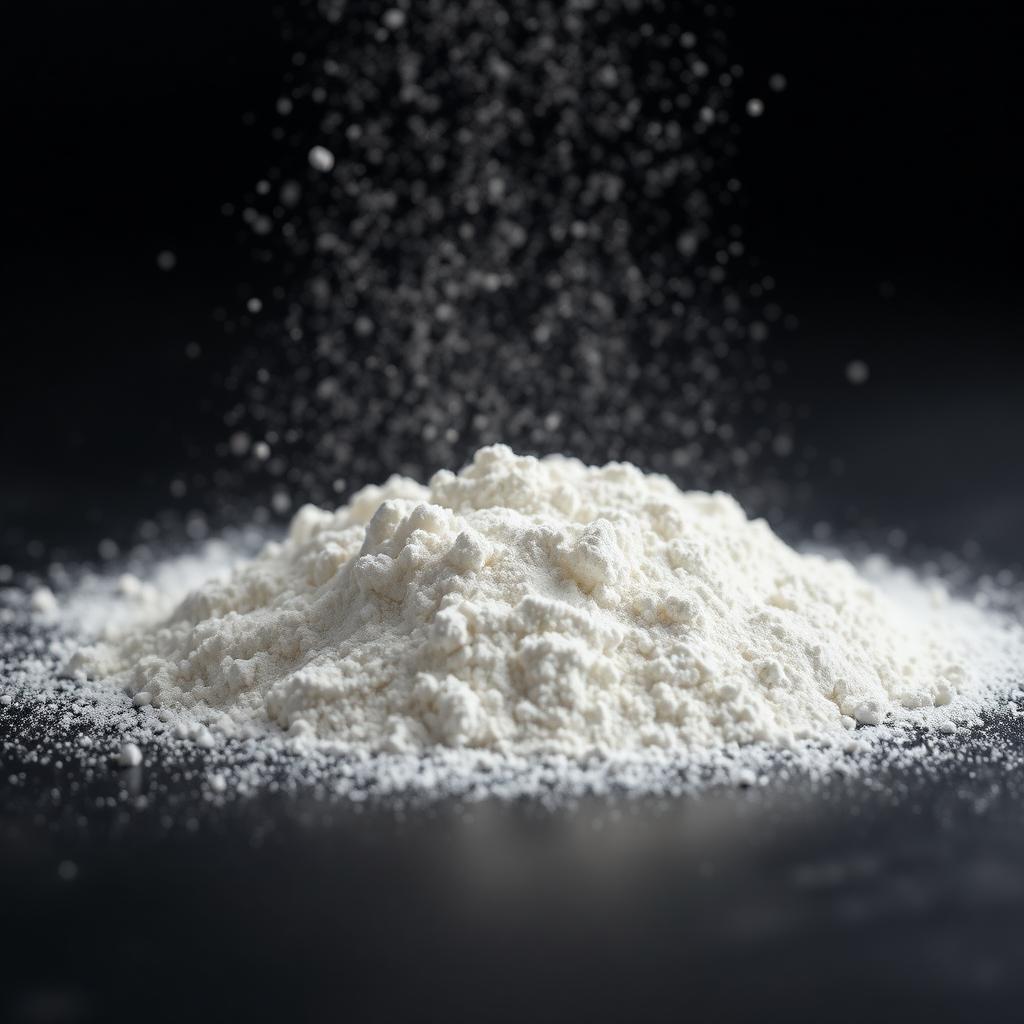 St1 – St2 · hygienic
Explosive when airborne, sugar and flour reach Kst up to 200 bar·m/s. Hygienic finishes and full purge cycles required.
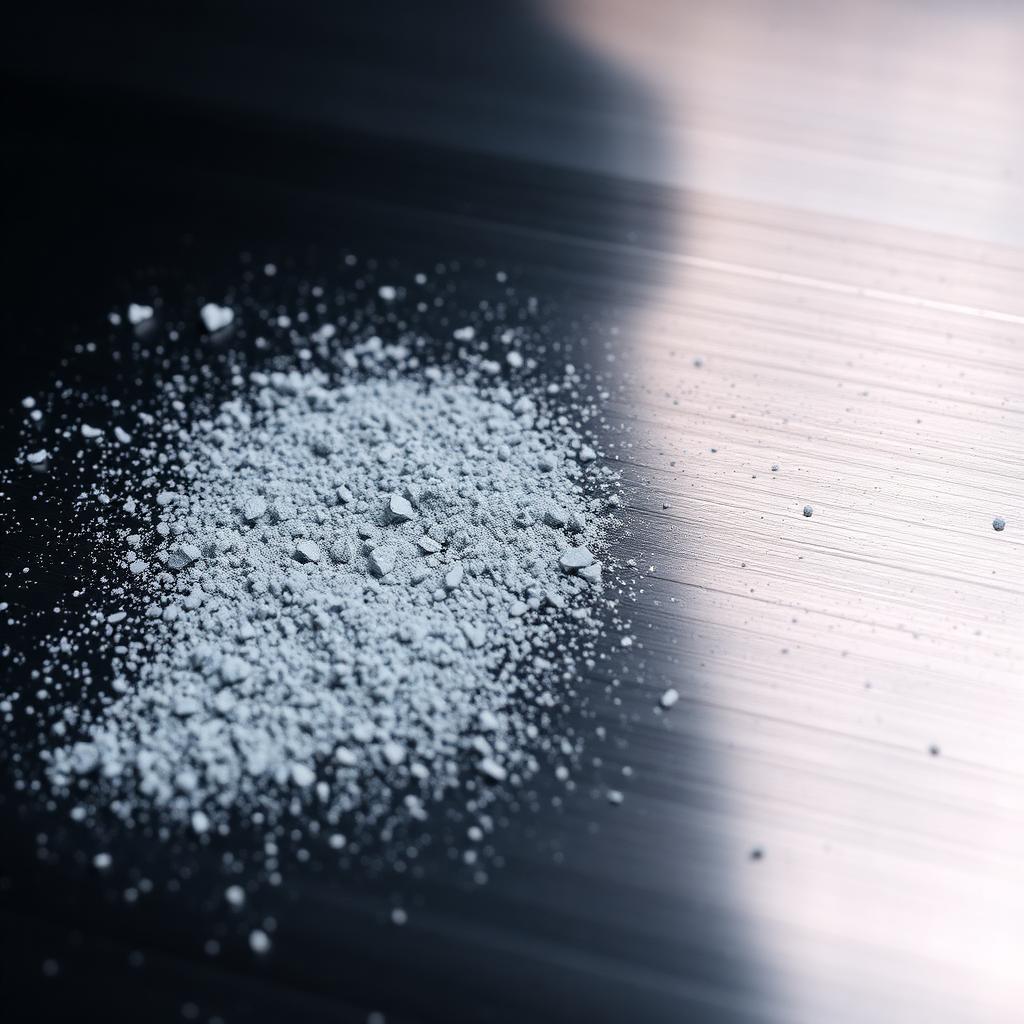 St3 · high severity
High-severity dust with very low minimum ignition energy, spark detection upstream of the filter is mandatory.
 Hybrid · powder + vapour
Powder plus flammable solvent vapour, the most severe ATEX scenario. Internal Zone 20 with Zone 1 considerations.
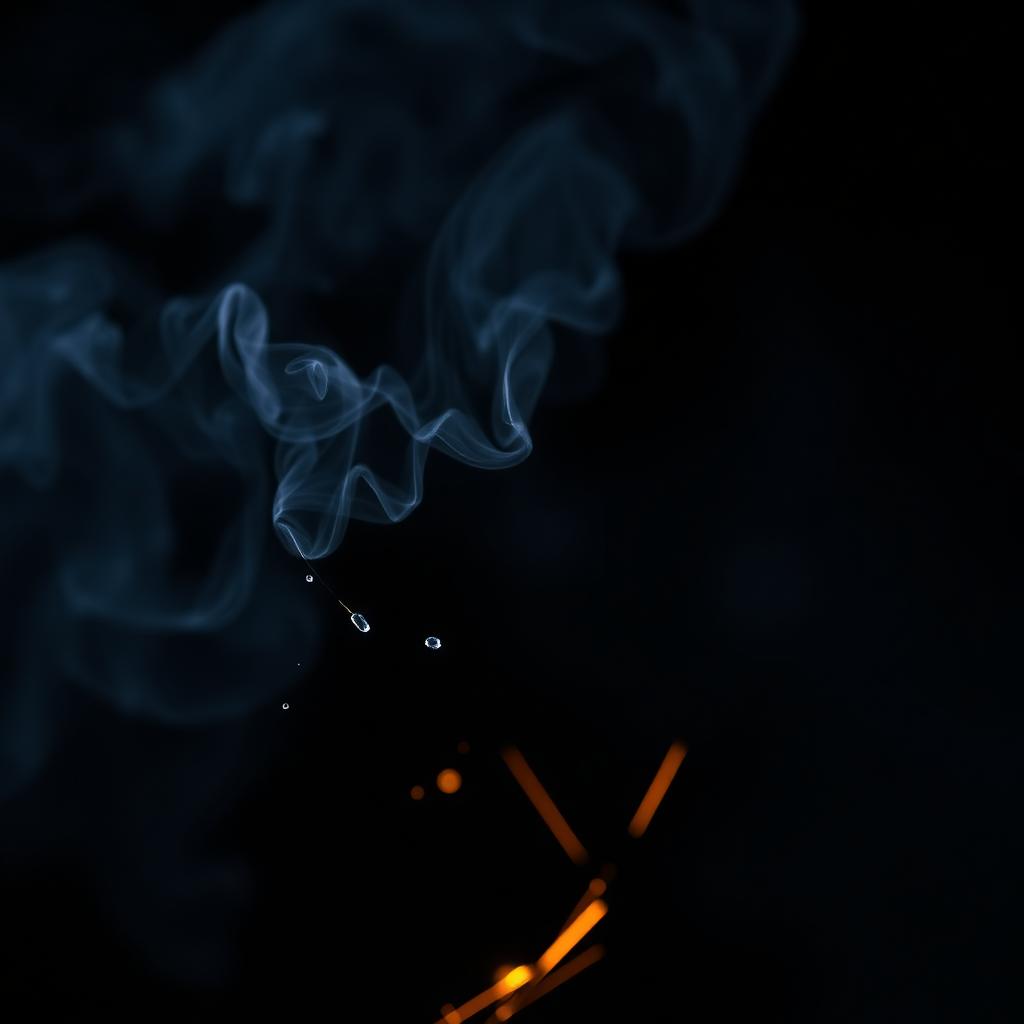 PM2.5 · sub-micron
Sub-micron particulate with hot sparks, pleated cartridge media at high efficiency, with spark arrestors upstream.
ATEX 2014/34/EU
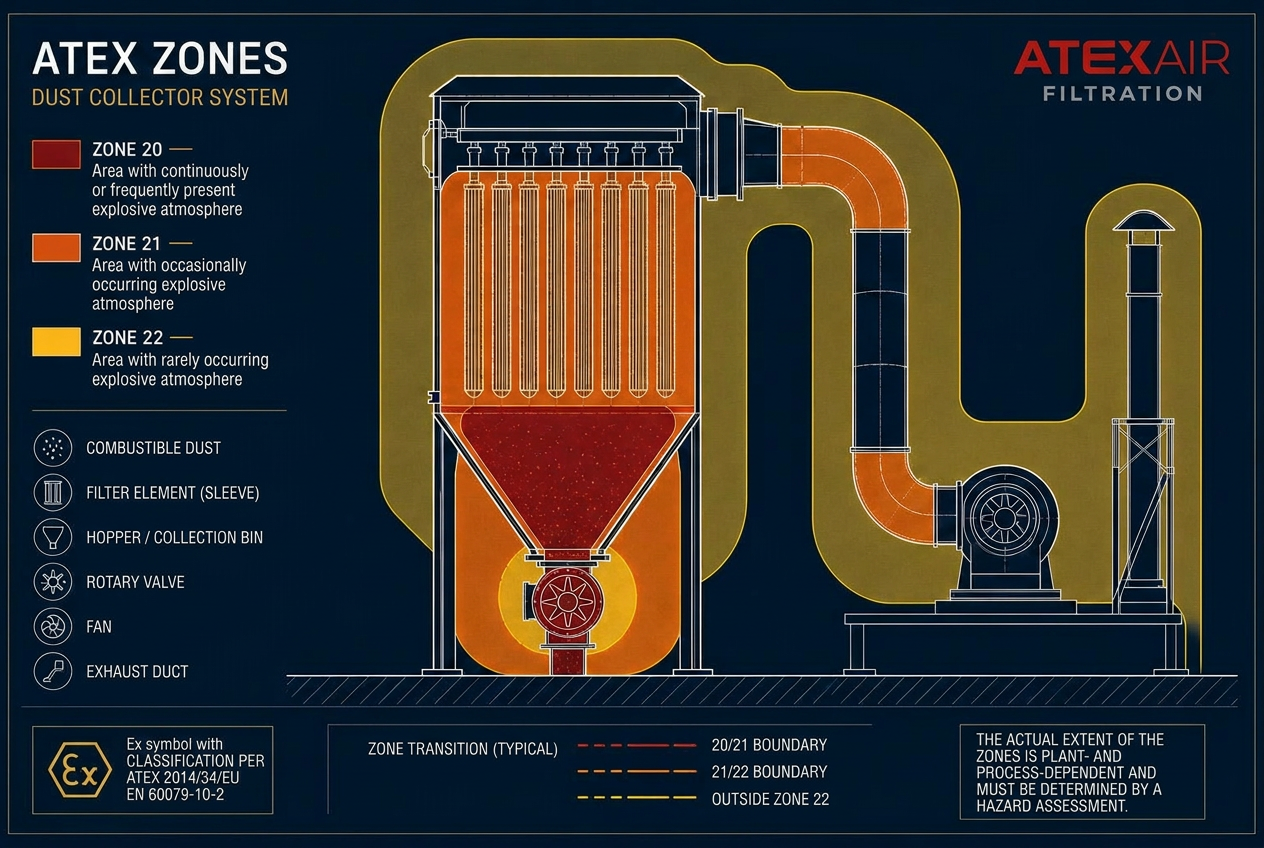
Equipment selection follows zone, Zone 20 / 21 internally inside the collector and hopper, Zone 22 around the housing. We size category 1D, 2D and 3D equipment to your dossier.
Outcomes
ATEX-certified dust extraction is not paperwork, it is the engineering control that keeps a primary ignition from becoming a plant-wide event.